
Reading Kom Ombo and Edfu as separate visits
Look closely at two named cultural settings, then check how each appears in the actual shore programme.
Temple names can pass quickly through a cruise description. Slowing down to read them separately makes the proposed shore programme easier to understand. Kom Ombo and Edfu have their own settings and cultural context. An itinerary should explain how you reach each visit and what is included when you arrive.
Kom Ombo’s paired arrangement
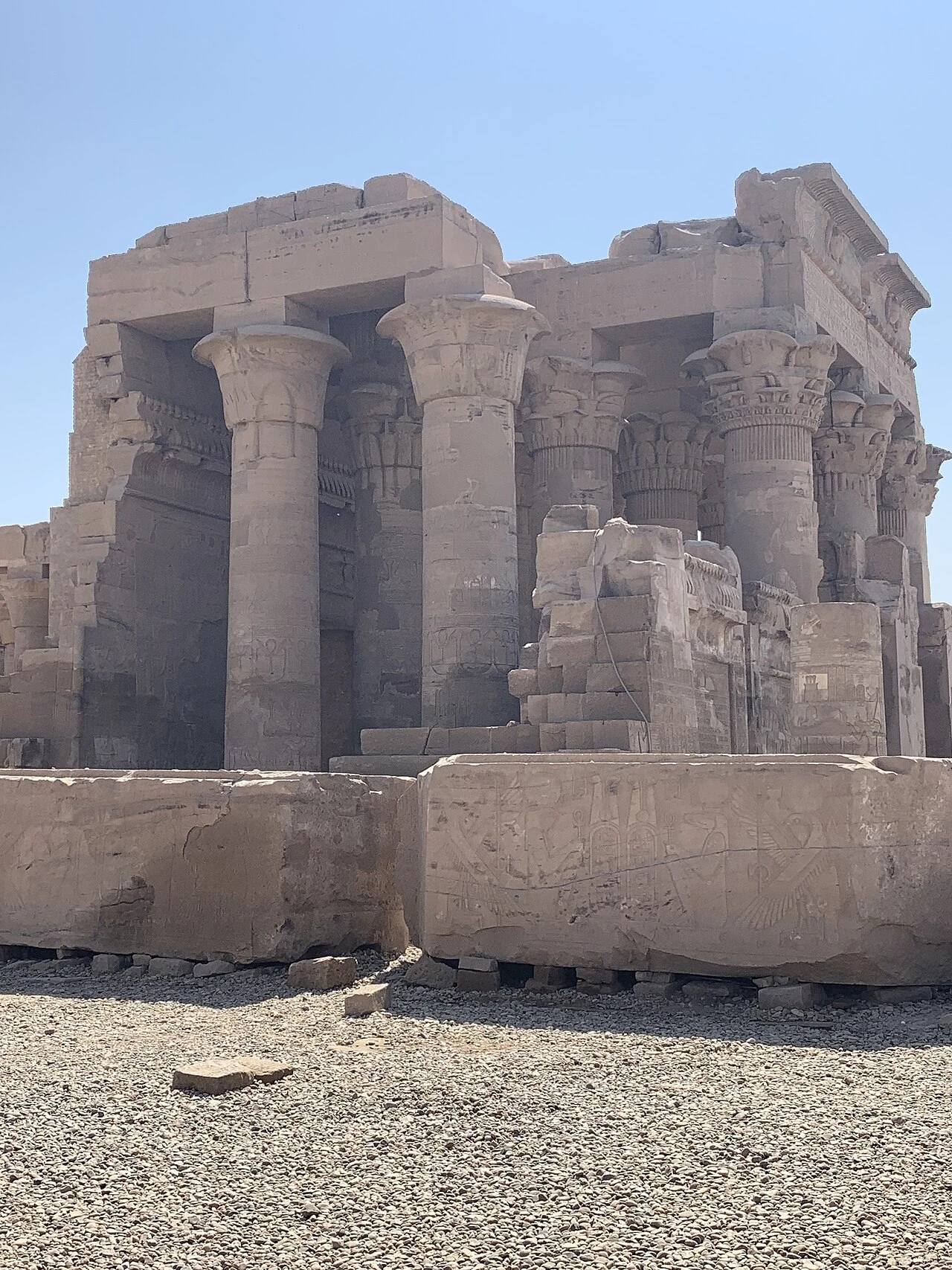
The Ministry of Tourism and Antiquities describes Kom Ombo’s dedication to Sobek and Harwer, or Horus the Elder. It explains the temple’s two parallel axes and separate sanctuaries. That specific architectural idea gives you something to look for beyond the general impression of stone columns and carved surfaces.

3 or 2 or 1 Nights Mighty Nile Felucca Adventure
Enjoy the Mighty Nile while riding a traditional Felucca sailboat that has been used by ancient Egyptians until now. The boat is equipped with bathroo...

4-Day 3-Night Nile Cruise from Aswan to Luxor&Abu Simbel+Balloon
Enjoy beautiful Nile Valley scenery as you cruise down the River Nile on a 4-day cruise from Aswan to Luxor. Visit t...

3 Days 2 Night Nile Cruise from Aswan to Luxor
- Day 1: Visit Abu Simbel and Kom Ombo, then sail to the next stop while enjoying the Nile views. - Day 2: Explore...

3-Day Nile Cruise Aswan to Luxor with Abu Simbel & Tours
Combine Abu Simbel with a two-night Nile cruise from Aswan to Luxor. Cruise with full-board accommodation and visit...
The photograph by LisethHatta17 dates from September 2022 and keeps the temple’s actual built forms in view. Read it as a record of the site, with its source and date intact. Current visitor access, fees and the scope of a guided visit should be checked in the responsible authority’s information and the provider’s programme.
Edfu has another story
A Ministry report on Edfu restoration identifies its dedication to Horus and describes work by the Supreme Council of Antiquities and the University of Würzburg. The report introduces the continuing work of understanding and preserving the monument. It does not promise access to every area discussed in the restoration account.
.jpg)
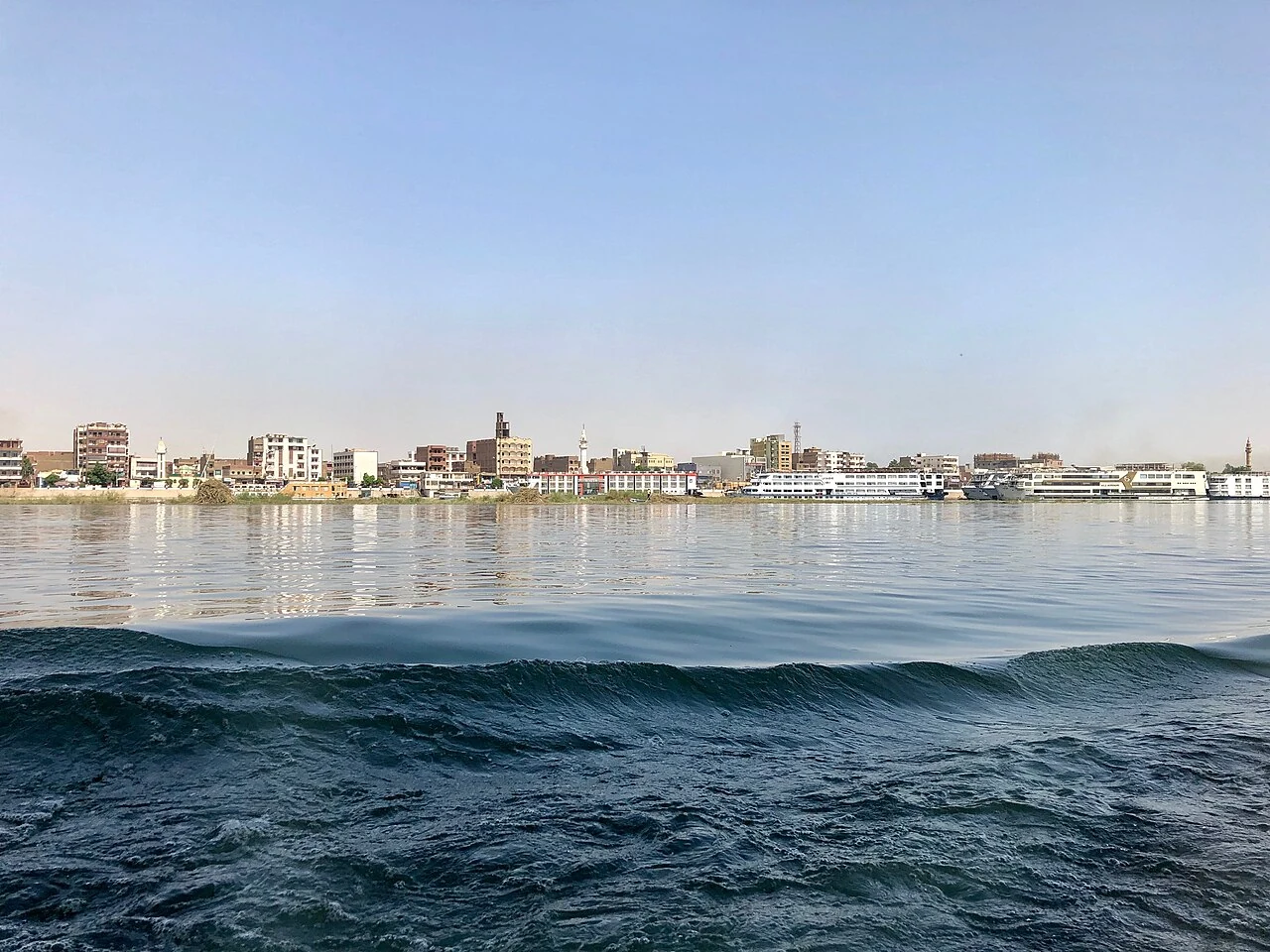
The separate Edfu photograph in this guide shows the town from the river in May 2019. Buildings and water provide another scale of context. It is not a photograph of the temple interior, and the town’s river edge should not be treated as a complete description of an excursion ashore.
Read the practical sequence
For each named visit, identify the meeting instructions, transport arrangement, guiding language and return plan. Find out whether admissions and transfers are included or separately payable. If the offer says an excursion is optional, keep that distinction when comparing the total proposed experience with another itinerary.
A long list of stops is less useful than a clear account of what happens at each one. Consider the pace of the visit and the amount of explanation you want. These are questions to put to the actual provider, not details that can be inferred from a photograph or a general destination guide.
Let each place retain its character
You do not need to turn every temple into the same visual highlight. Kom Ombo’s paired plan, Edfu’s own history and the contemporary town outside a monument can each hold attention differently. Carry the exact names into your comparison notes, then connect them through the written itinerary rather than a promised universal sequence.